


The smartest brands in 2026 are not after followers. Instead, they are creating owned systems. If you are serious about long-term growth and full audience control, then you need more than a social media presence—you need an online community platform that you can control and own.
In this guide, you will discover why most online communities fail—and how ZenCommunity helps you build and manage a thriving online community directly on WordPress.
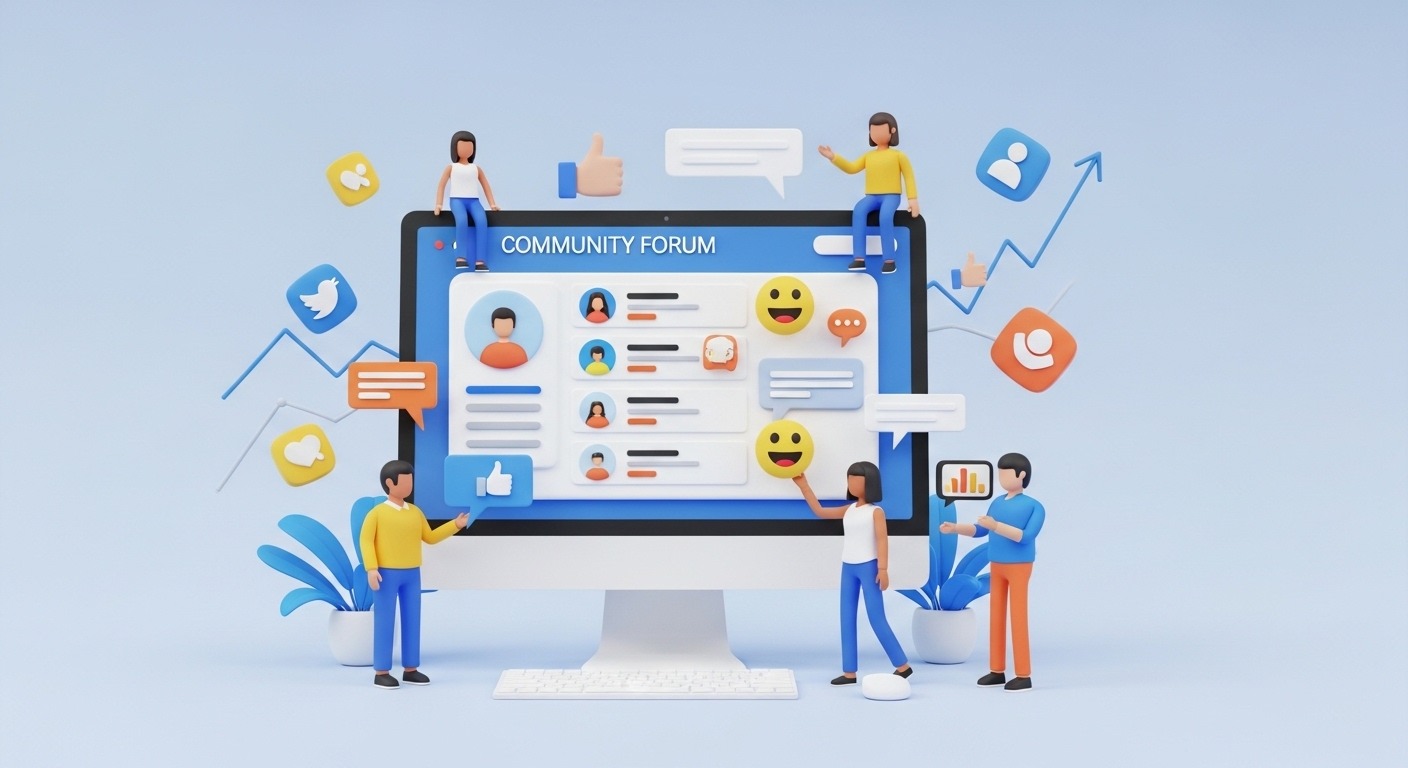
The New Rules of Community-Building
Today, building a community is no longer about collecting followers on social media. An online community grows best when you control the members, the data, and how people use it. Therefore, this is what makes the difference between successful communities and those that fail:
• Ownership Over Reach: First, do not depend on algorithms to show your content. When you are in charge of the platform, you reach your members on your terms.
• Multi-purpose Experiences: In addition, you should not separate discussions and courses into different apps or tabs.
• Purpose-Driven Engagement: Moreover, each interaction must give value to members, whether educational, social, or professional.
• Scalable Organization: Finally, growth should not be chaos. Public, private, and VIP groups keep members included and protect your core values.
Mini Roadmap:
- First, find your niche and target audience.
- Next, plan your content and engagement strategy.
- Then, create a clear structure that rewards participation and loyalty.
Overall, this approach is exactly what ZenCommunity enables: a fully owned and scalable system on WordPress—the modern alternative to renting attention on platforms you don’t control.
Why Owned Communities Win
When your community lives on your own WordPress site, you aren’t just “renting” space from a social media giant. As a result, you gain:
• Algorithm-proof communication: Most importantly, you own the connection with your audience.
• Complete data ownership: Additionally, there is no third-party data collection.
• SEO-based growth: Furthermore, your conversations are searchable on Google, which makes your community a 24/7 traffic source.
• Creation of long-term assets: Ultimately, what you build becomes a business asset that can be sold in the future.
Reasons for the Failure of Most Online Communities and How to Avoid Them
The Platform Dependency Trap
To begin with, using rented platforms (such as Facebook or Discord) means search engines will not index your content properly. In addition, you have no control over member information, and rules may change at any time. However, when your community is on your own platform, stability is guaranteed.
Split Tech Tools Kill Momentum
For example, many creators use Facebook for calls, Teachable for courses, and Stripe for payments. As a result, this causes login frustration and scattered data. ZenCommunity combines all the separate tools into a single WordPress system.
The Hybrid Community Structure
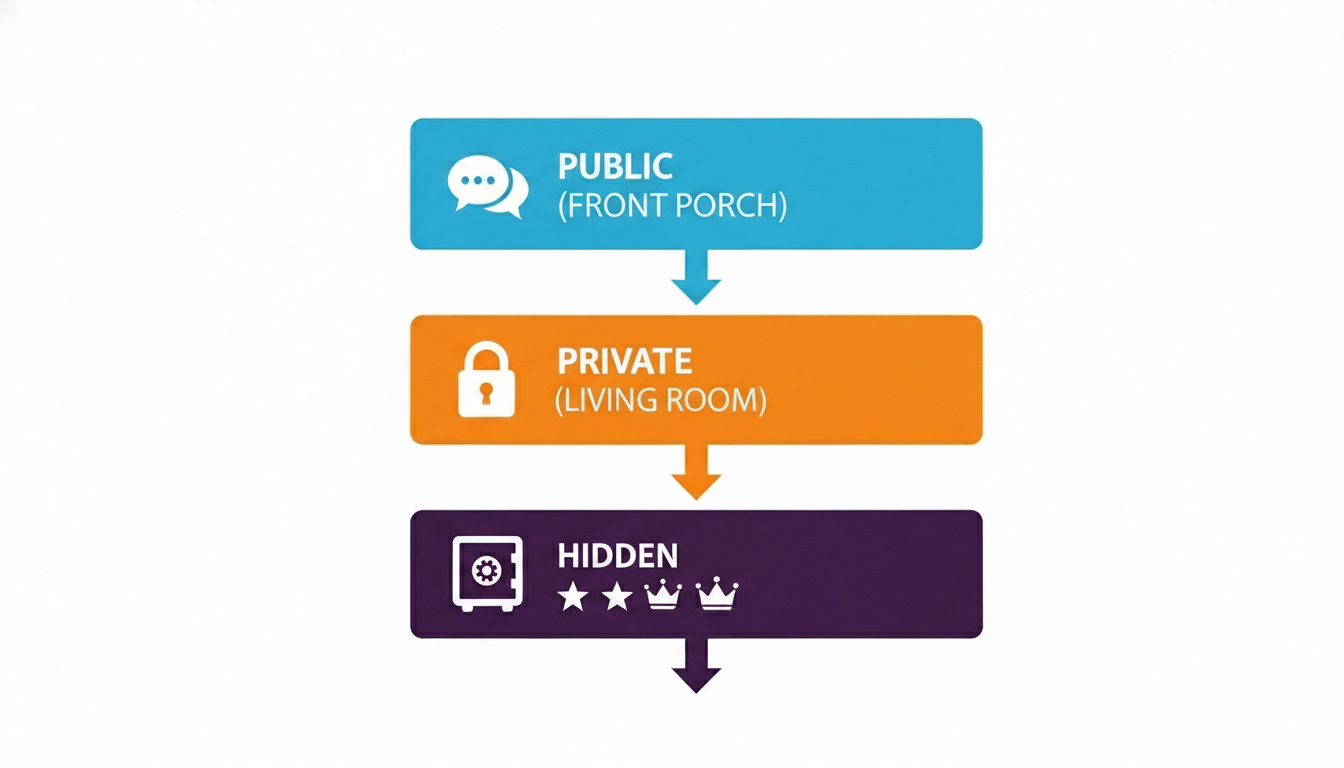
In general, successful communities follow a hybrid approach to balance growth and exclusivity:
- Public (The Front Porch): First, public groups are used for discussion and SEO. As a result, they create FOMO (Fear of Missing Out) by letting prospects see activity.
- Private (The Living Room): Next, this is where your core value lives. Therefore, content is locked and requires a subscription or enrollment.
- Hidden (The Vault): Finally, this level is for your highest-paying clients and ambassadors. Consequently, it acts as a status symbol that motivates members to “level up.”
Integrating Engagement Systems: The 3-Content System
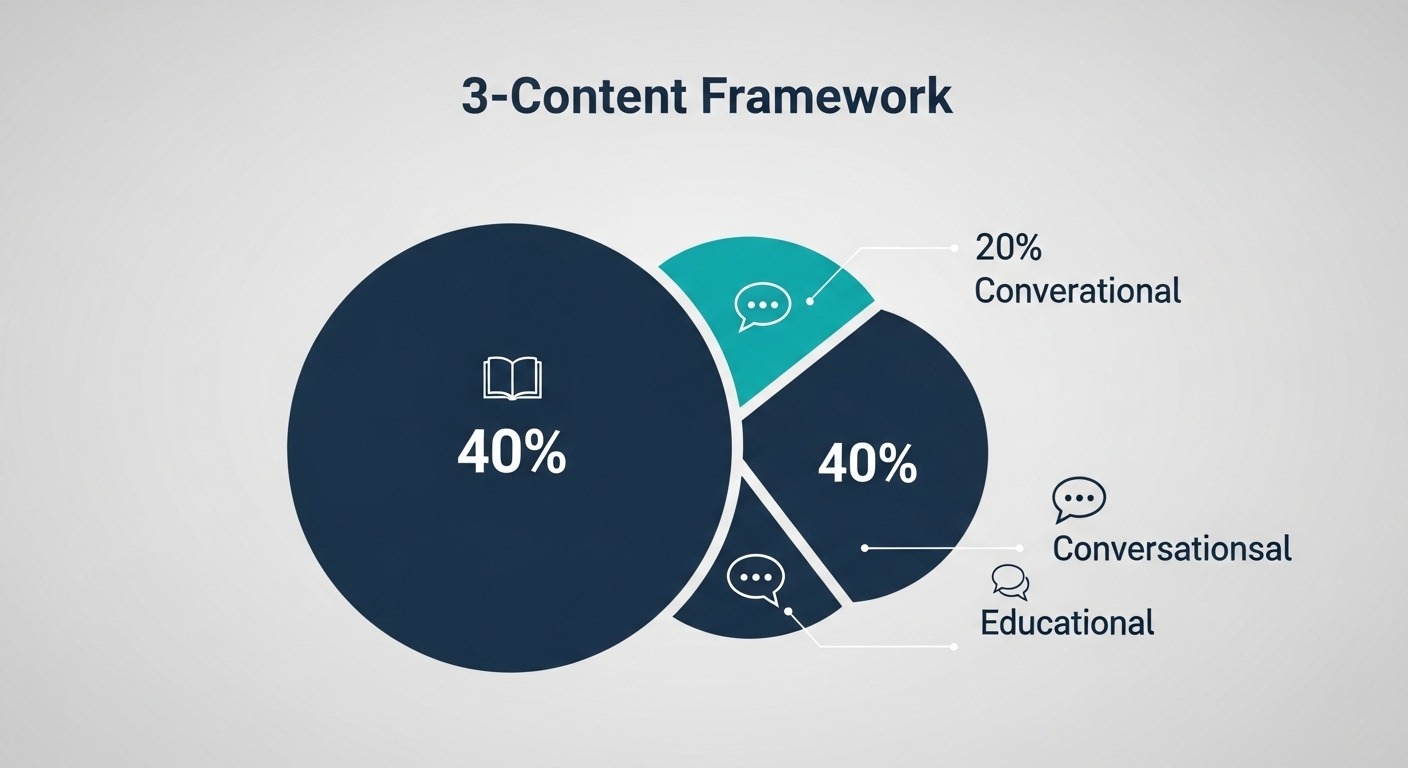
To maintain energy and avoid burnout, you should apply a 40/40/20 balance:
• 40% Educational: First, post short lessons and checklists with Academy LMS integration. In addition, pin these to the feed so new members see value immediately.
• 40% Conversational: Next, use polls and quick questions to start discussions. As a result, this keeps your site active instead of feeling like a static textbook.
• 20% Community Spotlights: Finally, highlight and encourage your members.
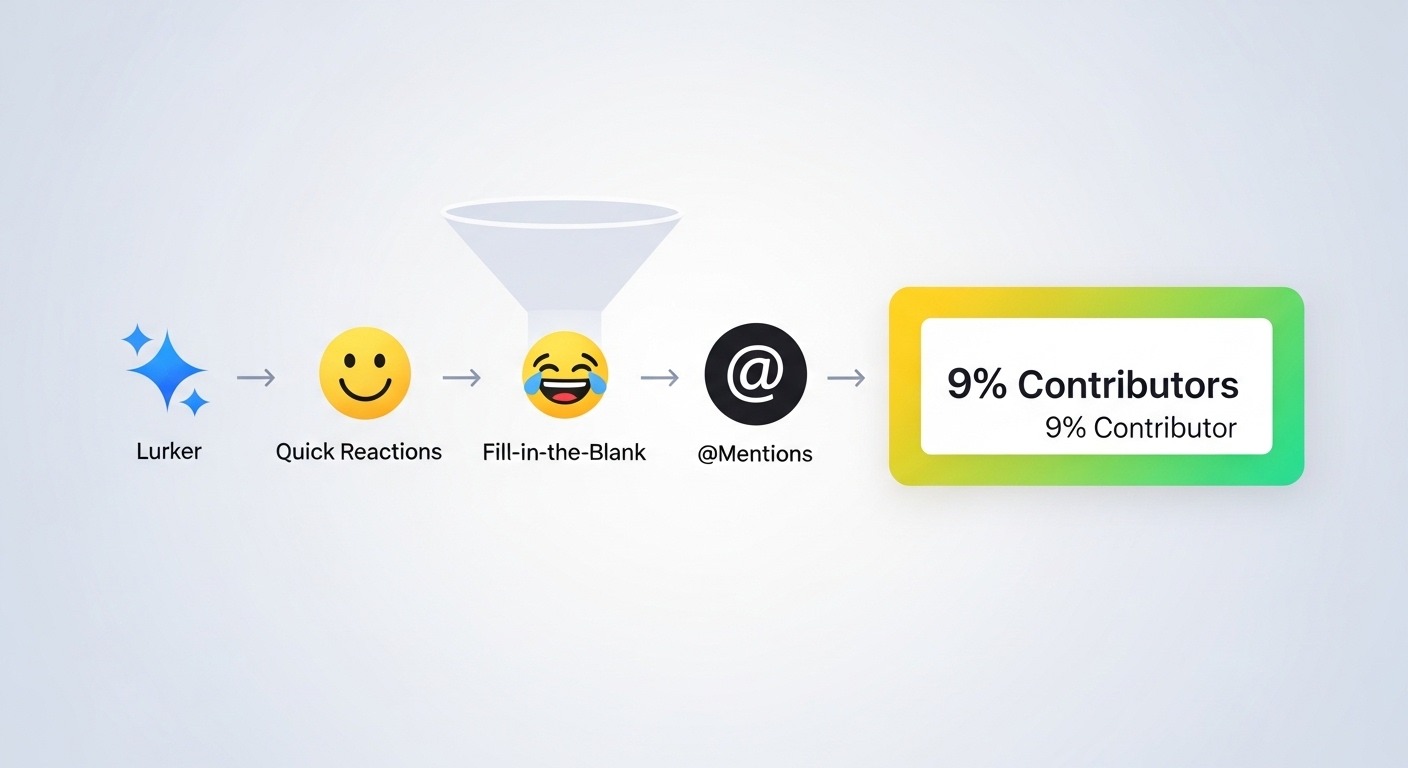
Turning Lurkers into Contributors
In most communities, members will start as “lurkers.” However, you can move them into the 9% of active contributors using simple steps:
• Reactions: First, allow members to react with emojis. It is a low-risk way to participate.
• Fill-in-the-Blank Prompts: Additionally, keep questions simple. For example: “If I could automate one thing today, it would be ________?”
• Member Notifications: Finally, tag lurkers: “Thanks for liking this, @Name! Have you tried applying this to your own project yet?”
The “Social Learning” Loop
As your community grows, ZenCommunity turns your WordPress site into a business engine:
1. Courses Inside the Community
First, by integrating Academy LMS, students can discuss lessons directly in the feed. As a result, this creates peer support that saves time and increases course completion.
2. The Resource Hub (Digital Products)
Next, sell access to a Resource Group instead of a simple download. Consequently, updates notify everyone, turning a single sale into a long-term experience.
3. Community-Led Commerce
Finally, turn members into promoters through affiliate integrations. In addition, host a Member Marketplace where users offer services to each other, adding practical value to membership.
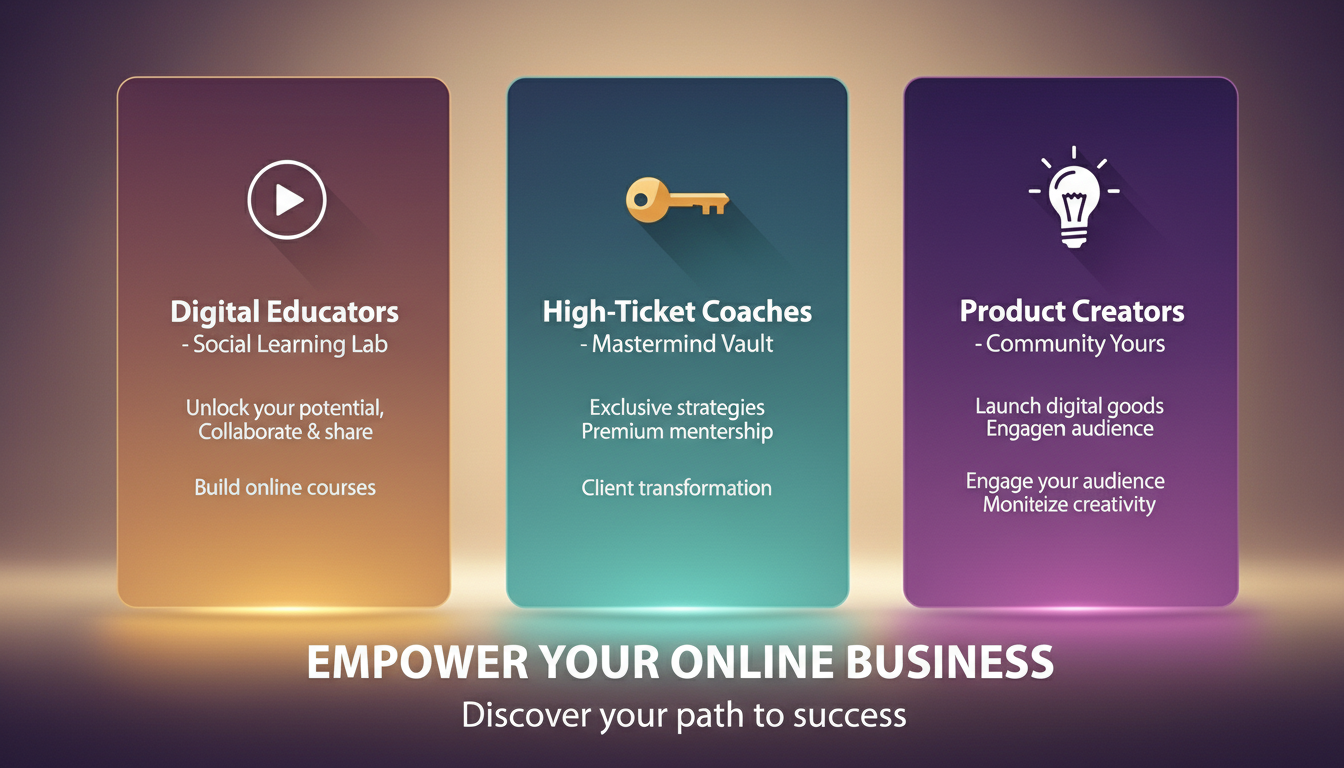
Real-World Applications: How Different Creators Use ZenCommunity
Community-led growth doesn’t work the same for everyone. How ZenCommunity helps depends on your business. For example, here’s how two common types of creators use it to grow:
1. For Digital Educators: The “Social Learning” Lab
If you sell courses, your biggest problem is the “watch and leave” cycle. Therefore, educators use ZenCommunity to turn a static course into a live group experience.
• The Strategy: Instead of placing the community on a separate link, embed the discussion feed directly below the lesson video.
• The Result: As a result, students are not just learning—they are working together. Peer communication answers many questions, and teachers step in only when needed. Consequently, this reduces support fatigue and turns any course into a workshop.
2. For High-Ticket Coaches: The “Mastermind Vault”
After clients finish the first program, coaches struggle to explain ongoing monthly fees. Therefore, they keep members long-term using the Hidden/Private Group.
• The Strategy: First, create a special area for alumni or advanced members. It’s a recurring space where the coach gives exclusive advice and hosts live sessions.
• The Outcome: Ultimately, the community becomes the main value. As a result, members stay subscribed not just for past content, but for continued access to the coach and peer network inside the “Vault.”
The Member Journey: From Lurker to Advocate
Importantly, many community builders treat every member the same. However, to grow while staying personal, you need a clear path that guides members through different levels:
1. Discovery (The “Visitor” Stage)
First, SEO brings potential members to your Public Groups. At this stage, they are not enrolled; instead, they are observing the value of your community.
2. Habit Building (The “Contributor” Stage)
Next, members begin engaging with the 40/40/20 content flow: commenting or asking questions. As a result, they move from 90% lurkers to 9% contributors, enjoying the notification cycle.
3. Transformation (The “Student” Stage)
Then, members engage with your courses or digital products. Consequently, the environment supports their progress, and they share wins, increasing completion rates.
Data Ownership and Compliance: Owning the Asset
Without control, data becomes a risk. Therefore, losing control of your data is one of the biggest risks of external platforms. However, with WordPress + ZenCommunity, you remain the owner:
• Complete Data Ownership: First, member data stays under your control.
• Privacy & Compliance: Additionally, GDPR/CCPA compliance becomes easier.
• No Third-Party Collection: Furthermore, there are no ads or unnecessary data gathering.
• Full Export Ability: Finally, your community can be moved if needed.

Critical ZenCommunity Features That Drive Growth
Overall, ZenCommunity brings everything into WordPress:
• Topic-Based Groups: First, organize by interests or levels (Public, Private, Hidden).
• Member Profiles: Next, show expertise and build connections.
• Activity Feeds: Additionally, provide social-media-style updates.
• Private Messaging: Finally, support one-on-one networking.
Conclusions: Website to Ecosystem
In conclusion, a website attracts traffic. Meanwhile, a community builds loyalty. As a result, monetization creates sustainability, and automation allows scale.
Ultimately, ZenCommunity turns WordPress into a digital system—a self-sustaining platform for belonging and long-term growth.
The next decade belongs to builders—not renters.
Build once. Own it forever. Grow sustainably.
Frequently Asked Questions (FAQs)
1. What is ZenCommunity?
ZenCommunity is a WordPress-based platform that lets you build and manage your own online community with full control over members, content, and data.
2. Why should I not rely on social media for my community?
Social media platforms control the algorithms, rules, and access. ZenCommunity lets you own your audience and grow without relying on external platforms.
3. Can I integrate courses with ZenCommunity?
With ZenCommunity and LMS plugins, students can discuss lessons directly in the community.
4. How does ZenCommunity help increase engagement?
It provides structured content (40% educational, 40% conversational, 20% spotlights), reactions, polls, and member notifications to turn lurkers into active contributors.
5. Is ZenCommunity suitable for high-ticket programs?
Absolutely. Hidden or private groups allow you to create exclusive spaces for premium clients, encouraging long-term participation.
6. Who owns the member data?
You do. All member data remains under your control, while ZenCommunity is designed to support GDPR and CCPA compliance.